Welcome to PBS UK
Helping People Flourish
Supporting people, families, & organisations with care, clarity, and commitment
giveusashout@pbsuk.org | 07951473860
Proudly in Association With






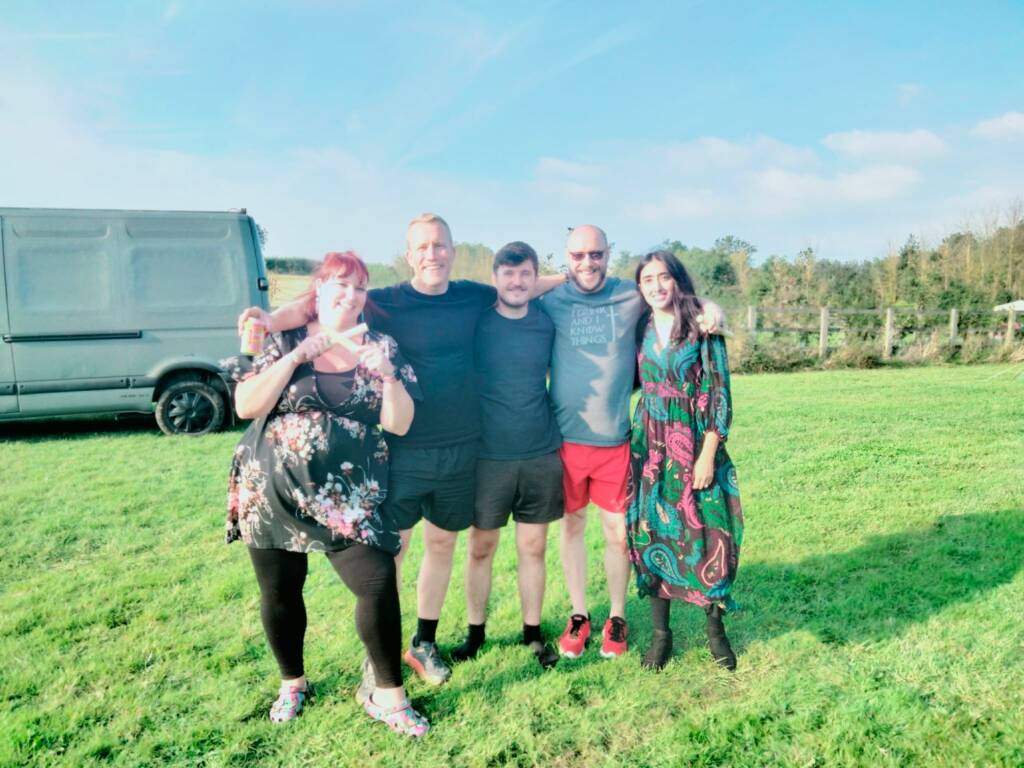
Our Mission
PBS UK was founded with a simple but ambitious mission: to help people flourish.
We are interested in what helps people live meaningful, connected, and fulfilling lives – whether they are individuals receiving support, the people who care for them, or the teams and organisations around them.
Our understanding of flourishing is informed by positive psychology, particularly the work of Dr Martin Seligman. In simple terms, flourishing involves:
Read More
- experiencing more positive emotion
- being engaged in the things that are important to you,
- developing and maintaining strong, supportive relationships
- having a sense of meaning, purpose, and belonging
- and achieving goals that matter
We apply these principles at multiple levels – supporting individuals, developing teams, strengthening organisations, and contributing to system-wide service improvement. We are particularly interested in how socio-cultural and organisational contexts shape the quality of support people receive.
By focusing on both people and systems, PBS UK aims to support services that are compassionate, effective, and sustainable – creating the conditions in which people can truly flourish.
Why Work With Us?
Compassion-Led, Always
Expert, Trauma-
Informed Practice
Evidence-Based
Honest, Kind, Human
Proven Outcomes
Hear From the People We Support
Real stories, real outcomes, real change.
Our Services
We support people with a learning disability and/or who are autistic where behaviours that challenge impact safety, wellbeing, and quality of life.
We understand these behaviours as meaningful responses to a person’s experiences and circumstances – they are often the most effective way people have to cope with or influence their world. Because such behaviours arise from complex interactions between individuals and their environments, our work focuses not only on working with the person, but also the systems and contexts around them.
A people-first approach
Putting Values into Practice
PBSUK embrace and celebrate neurodiversity, recognising that neurological differences are a natural and valuable part of human diversity. We understand that people experience and interact with the world in unique ways, and are committed to providing compassionate, evidence-based support that is tailored to the individual needs of the people we support, including those who are autistic, have a learning disability, and / or those with another neurodivergence.
Read More
Our team is made up of professionals who are not only skilled in the field of Positive Behaviour Support (PBS) but who are also personally connected to the neurodivergent community. Several of us are neurodivergent, and many of us have family members or friends who are either autistic or neurodivergent. Our personal and professional experiences shape the way we approach our work, and strengthen our commitment to providing person-centred, inclusive support.
We recognise that historically, Applied Behaviour Analysis (ABA), has not always been aligned with the values of neurodiversity. At times, behavioural interventions have been delivered in ways that have either failed to appreciate the needs of neurodivergent individuals or have been harmful to them. However, we have also all seen the use of behavioural principles and procedures result in increased autonomy, and improved quality of life, for people we have supported. We are committed to learning from the history of behavioural science and ensuring that our practices reflect the principles of respect, dignity, and empowerment. This includes continuous reflection and improvement to ensure that the support that we deliver is aligned with the values of neurodivergent communities, as well as engagement with autistic professionals through supervision and coproduction.
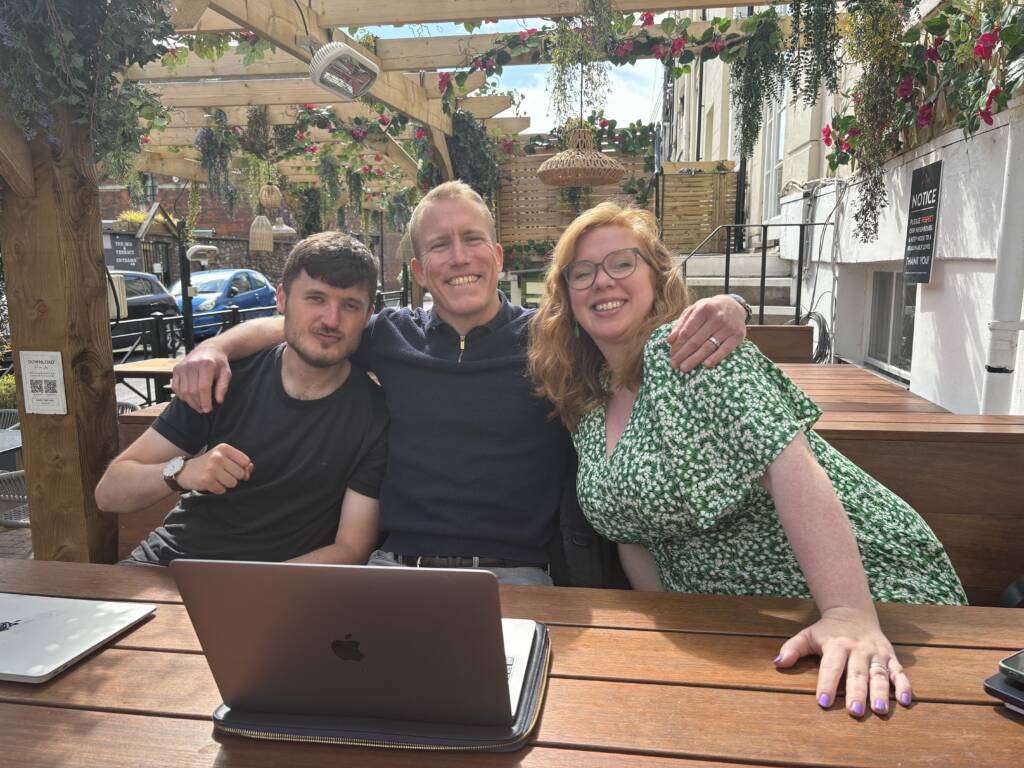
Who we work with
Flexible, scalable PBS solutions for every setting.
Children & Adults
Government Agencies
Educational Authorities
Non-Profit & Charitable Organisations
Health and Social care providers
Criminal Justice system
Why People Choose PBS UK
We Listen Before We Act
20+ Years of PBS Expertise
We Build Genuine Partnerships
No Tick-Boxes – Tailored Support
Fully Regulated & Ethically Led
Outcomes That Actually Matter
Understanding behaviour, enabling support
Why work with PBS uk
At PBS UK, we provide thoughtful, evidence-informed Positive Behaviour Support for individuals, families, and services navigating complex needs.
Our work is grounded in strong, consistent relationships. We believe meaningful change happens through trust, collaboration, and psychological safety. Every plan we develop is person-centred, values-led, and built alongside the individual and the systems around them.
We integrate Positive Behaviour Support with other evidence based approaches such as Acceptance and Commitment Therapy (ACT), ensuring that behaviour support is rooted in wellbeing, autonomy, and long-term quality of life – not simply behaviour reduction.
We specialise in:
- A Relational and Values-Led Approach
- Integration of PBS with evidence-based therapeutic models (e.g., Positive psychology and ACT)
- Collaborative and Person-Centred Planning with professionals and commissioners
- Longitudinal, Sustainable Support Models
- Whole-System and Family Awareness
- Clear review structures and accountable delivery
- Gradual, measured, and meaningful change
Whether working with families, schools, CAMHS teams, or commissioners, our aim is the same: to help people move towards safer, more independent, and more fulfilling lives.
1. A Relational and Values-Led Approach
PBS UK emphasises consistency, trust, and relationship-building as central to effective support. In clinical recommendations, the “strength and consistency of relationships” is described as critical to success, with continuity of practitioner actively prioritised .
Support is delivered using a consistent, relational, and values-led approach, recognising that meaningful progress often takes time and must be built collaboratively .
Why this matters:
Families and commissioners choose PBS UK because they experience thoughtful, steady support that prioritises psychological safety and long-term trust over short-term fixes.
2. Integration of PBS with evidence-based therapeutic models (e.g., Positive psychology and ACT)
PBS UK integrates Positive Behaviour Support with Positive Psychology and Acceptance and Commitment Therapy (ACT) where clinically appropriate.
ACT is described as a structured, compassionate framework that supports individuals to relate differently to thoughts and emotions while grounding change in what matters most to them.
Early work typically focuses on:
- Building psychological flexibility
- Clarifying personal values
- Gradually increasing engagement in meaningful activities
Why this matters:
This integrative approach ensures behaviour support is not simply behavioural management, but is rooted in wellbeing, autonomy, and long-term quality of life.
3. Collaborative and Person-Centred Planning
PBS UK explicitly emphasises active collaboration with the individual. A prescriptive or imposed programme is recognised as likely to create disengagement.
Support plans are described as evolving formulations rather than fixed documents, acknowledging complexity and the need for refinement over time.
Why this matters:
Families and professionals deserve to be treated as partners. Plans are co-developed, responsive, and adaptable rather than rigid or template-driven.
4. Longitudinal, Sustainable Support Models
PBS UK frequently recommends longitudinal commissioning, recognising that complex needs require sustained input rather than brief interventions.
Programmes typically include:
- Direct sessions
- Community-based work
- Ongoing formulation development
- Written updates to commissioners
Packages are reviewed quarterly in collaboration with stakeholders to ensure clinical appropriateness and value for money .
Why this matters:
Commissioners choose PBS UK for structured, accountable delivery models that balance clinical depth with financial clarity and review mechanisms.
5. Whole-System and Family Awareness
PBS UK assessments explicitly consider the family system, recognising how behaviour, stress, and relational patterns interact.
Interventions may include joint sessions and shared planning to ensure the home environment becomes sustainable for everyone involved.
Why this matters:
Support is not delivered in isolation. PBS UK works across systems – individual, family, education, and commissioning – to create coherent and sustainable change.
6. Clear Review Structures and Accountable Delivery
We work within structured, transparent frameworks that ensure clarity for families, professionals, and commissioners. Every package of support includes defined aims, regular review points, and written updates where required. Progress is monitored collaboratively, with adjustments made in response to data, feedback, and changing circumstances.
Our approach balances clinical depth with financial and operational clarity – ensuring support remains purposeful, proportionate, and accountable
7. Gradual, Measured, and Meaningful Change
We recognise that lasting change rarely happens quickly. Instead of pursuing short-term fixes, we focus on steady, sustainable progress that protects relationships and psychological safety.
At the same time, we are experienced in responding to crisis situations and understand that there are moments when rapid, decisive input is required. We can mobilise quickly, provide intensive support, and help stabilise complex or escalating situations.
However, we are clear about the difference between interventions that provide temporary relief and those that create meaningful, sustained change. Crisis work may reduce immediate risk or distress – but long-term outcomes require thoughtful formulation, collaborative planning, and carefully paced implementation.
Our approach balances responsiveness with depth: we act quickly when needed, and we stay long enough to ensure change lasts.
Your Journey with PBS UK
What to Expect
Step 1:
Initial Conversation
Step 2:
Understanding Needs
Step 3:
Building a Plan
Step 4:
Putting Support in Place
Step 5:
Reflecting, Learning, Growing
Take the First Step Today.
We’re here when you’re ready
No judgment — Practical support — Meaningful change
Meet the PBS UK Team
Meet the friendly faces behind every PBS UK plan, assessment and training session.

Paddy Behan
Co-Founder & Director

Tia Martin
Co-Founder & Director

Donald Martin
Company Secretary

Hannah Newcombe
Senior Associate Director

Huw Price
PBS Practicioner

Katie Lyon
Associate Director

Anna Knight
PBS Practitioner

Kate Barker
PBS Practitioner

Sandra Bryan
PBS Practicioner

Susie Jenni
PBS Practitioner

Poonam Khunti
PBS Trainee Practitioner

Jonathan Shield
PBS Technician

Iain Thomson
PBS Practitioner
Wrapped: Good Practice Conference 2025
We sincerely appreciate everyone who attended & participated in our Good Practice Conference 2025. Your presence, engagement, and contributions made the experience truly special. Stay connected for future updates, events, and opportunities!
Thank you all,
PBS UK team
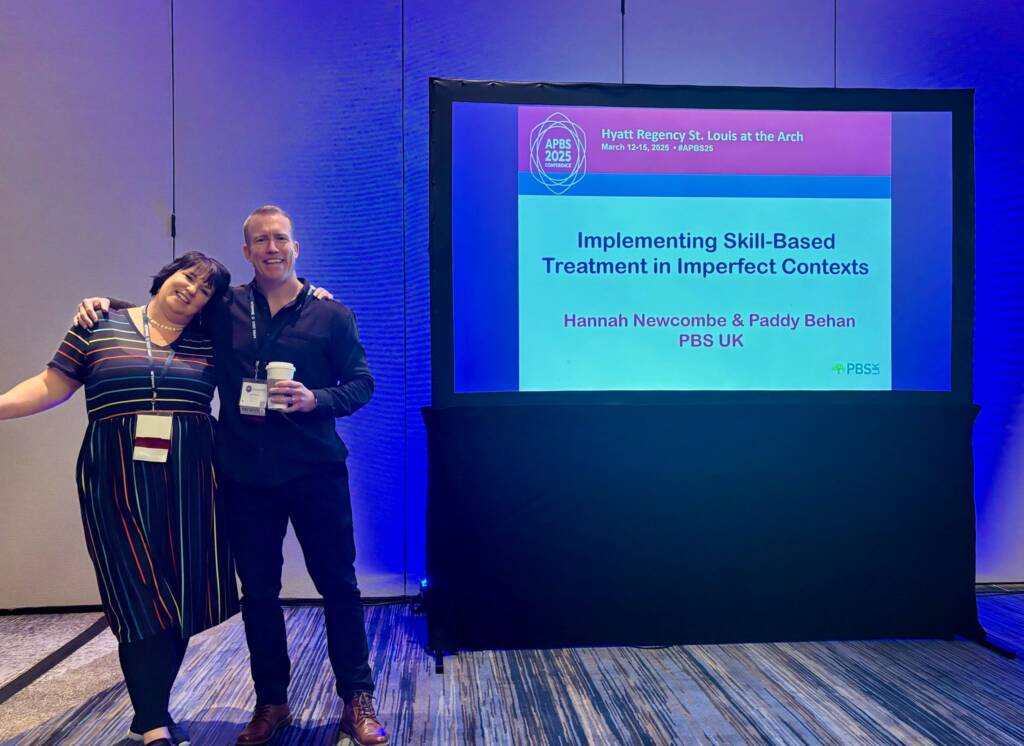
Where To Find Us
While PBS UK is registered as a business in Scotland, our team is based across the UK and we deliver services nationwide
Registered in Scotland with company number SC540834.
Contact Us
Reach out today – we’d love to hear from you!
FAQs | Positive Behaviour Support & PBS UK
What is Positive Behaviour Support (PBS)?
Positive Behaviour Support (PBS) is a values-led, evidence-informed framework for understanding and supporting behaviour. Rather than being a single therapeutic model, PBS brings together behavioural science, person-centred practice, and systems thinking.
At its heart, PBS is about understanding the function and meaning of behaviour within a person’s unique context. Assessment is always grounded in the individual’s environment, relationships, history, strengths, and needs. The strategies developed are therefore bespoke — designed specifically for the person and the systems around them.
PBS can be applied at multiple levels: with an individual, within a family, across a service, or as part of wider organisational and system change. The overarching aim is to enhance quality of life, reduce restrictive practices, and build sustainable, compassionate support environments.
Who is PBS UK for?
Our work is grounded in the evidence base for Positive Behaviour Support, which has been most extensively developed within learning disability services. Alongside this, there is growing evidence that the PBS framework can be adapted effectively for other populations when applied thoughtfully and contextually.
We work predominantly with people with learning disabilities and autistic people, while also supporting individuals experiencing mental health needs, trauma, or complex life circumstances.
In addition to direct work with individuals and families, we partner with schools, care providers, health services, and organisations seeking to strengthen their systems, workforce capability, and culture of support.
Our approach is always tailored — adapting the PBS framework to suit the specific needs of the person, population, and setting.
Do I need a diagnosis to work with you?
No. A formal diagnosis is not required.
We work with many individuals who do not have a diagnosis, as well as those who may be exploring or seeking one. Our starting point is always the person in front of us — their experiences, strengths, challenges, and aspirations — rather than a label.
Where appropriate, we can also support families and individuals who are navigating the diagnostic process and thinking about what that may mean for support going forward.
What does the support process look like?
While every piece of work is shaped by its context, our approach is consistent in principle.
We begin with listening and collaborative exploration. Through assessment, we seek to understand what behaviour may be communicating, the environmental and systemic influences at play, and the factors that contribute to wellbeing and quality of life.
From there, we co-produce practical, evidence-informed support strategies. Depending on the context, this may involve direct individual support, team coaching, workforce development, organisational review, or system-level planning.
Whether we are working with an individual, a service, or a wider agency, our focus remains the same: meaningful outcomes, improved quality of life, and sustainable, values-aligned practice.
Do you offer one-off assessments or long-term support?
We offer both.
Some people seek a stand-alone behavioural assessment or a focused piece of short-term planning. Others require longer-term partnership, implementation support, and workforce development.
We have delivered individualised, bespoke support packages as well as large-scale, longitudinal consultancy and training programmes across organisations and regions. The level and duration of involvement is shaped collaboratively, based on need and desired outcomes.
How do you work with providers and professionals?
We work as collaborative partners rather than external critics.
Our role may include specialist behavioural assessment, mentoring and supervision, organisational culture development, workforce training, governance input, or support following incidents and periods of increased risk.
We bring a combination of behavioural expertise, practical experience, and a strong commitment to compassionate, rights-based practice. Our aim is always to build internal capacity and confidence so that high-quality PBS becomes embedded and sustainable.
Where are your services available?
PBS UK is registered in Scotland, and our consultants and practitioners are based in locations across the UK.
We work with individuals, services, and organisations nationally. Support can be delivered in person, remotely, or through a blended model, depending on the needs of the project and those involved.
Please get in touch to discuss what would work best in your context.
How much do your services cost?
Costs vary depending on the scope, scale, and duration of support required.
Following an initial conversation to understand your needs, we will provide a clear and transparent proposal outlining the recommended approach and associated fees. There is no obligation — simply an opportunity to explore what may be helpful.
Still have questions?
We welcome conversations.
Contact our team or call us on 01234 567890 to discuss how we may be able to support you.
Take the First Step Today.
We’re here when you’re ready
No judgment — Practical support — Meaningful change
Explore Our Resources
Insights, ideas, and inspiration from the PBS UK team.
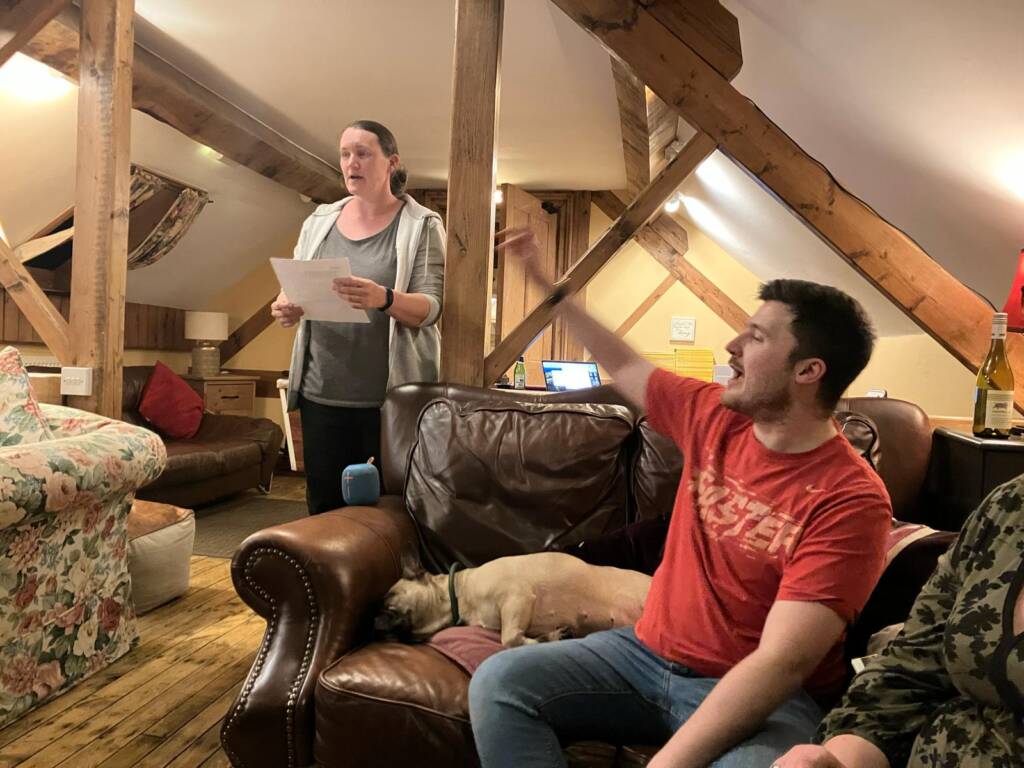
Autism and Menopause: What Happens When an Autistic Person’s Behaviour Changes in Midlife?